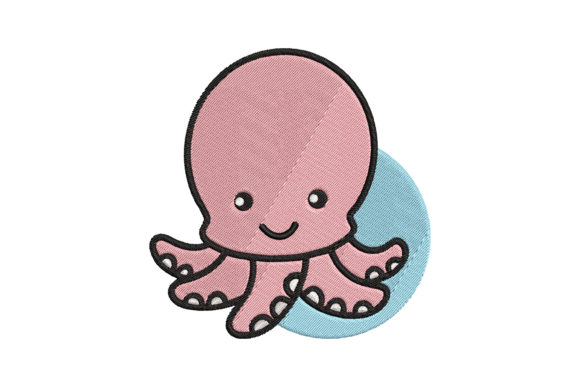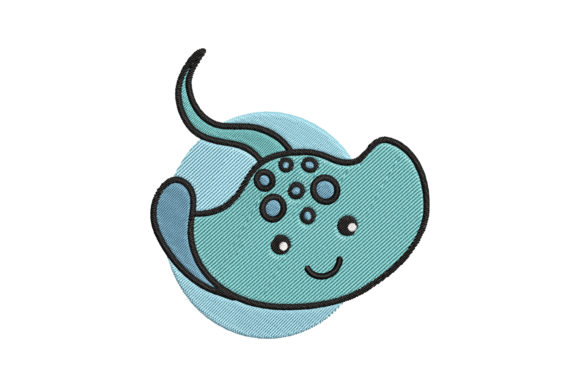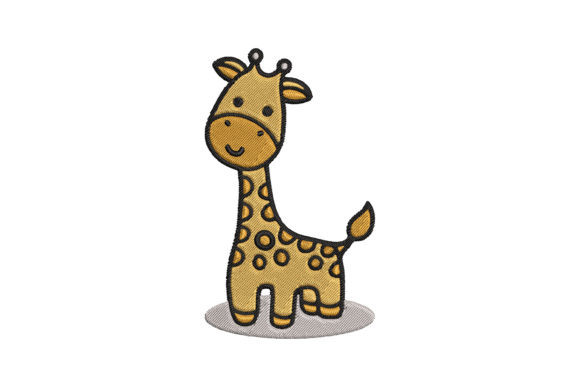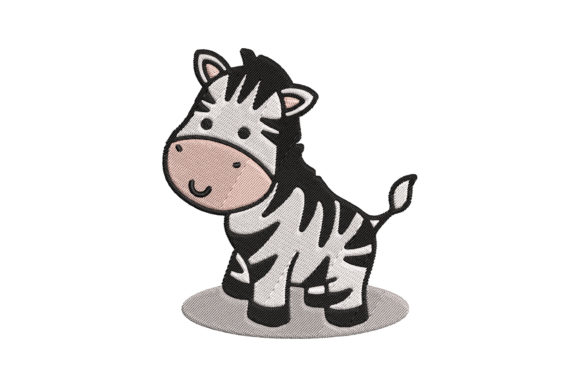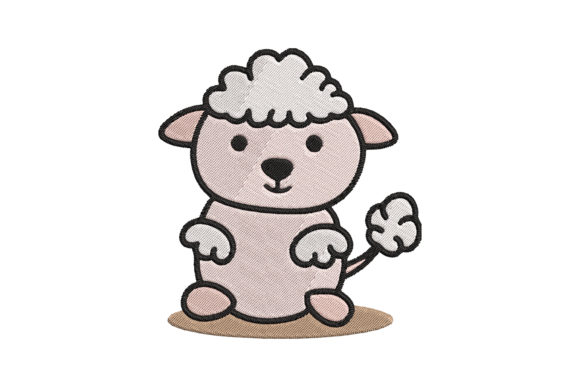
Cute Animal Sheep Cartoon
First Impression: Soft, Friendly, and Instantly Approachable
As an embroidery designer who’s prepped over 200 craft fair booths—and shipped thousands of machine embroidery designs—I opened Cute Animal Sheep Cartoon expecting charm. I got it. Immediately. This isn’t a stiff, overly detailed farm animal motif—it’s soft-edged, gently rounded, and radiates warmth. It leans into “heart-melting” without tipping into cloying or juvenile. Think modern cottagecore meets gentle nursery aesthetic—not rustic farmhouse, not cartoonish slapstick, not minimalist line art. It’s friendly enough for kids’ pajamas, sweet enough for baby shower gifts, and refined enough to hold its own on a linen tea towel in a boutique kitchen display.
Where Cute Animal Sheep Cartoon Shines on Craft Fair Products
In real booth testing—across tote bags, aprons, tea towels, embroidered patches, and pillow covers—Cute Animal Sheep Cartoon performed strongest when scaled thoughtfully and placed with breathing room. Here’s what stood out:
- Tote bag design: Centered on the front of a natural canvas or oat-colored cotton tote, it reads clearly from 6+ feet away. The rounded shape fills space without overwhelming—ideal for shoppers scanning quickly.
- Apron embroidery: Positioned just above the pocket (not centered low), it adds personality without competing with functional elements. Works beautifully on denim, linen, and medium-weight cotton.
- Tea towel embroidery: On a textured flour-sack or waffle-weave towel, the design’s clean outlines stay legible—even with moderate fabric texture. Avoid ultra-thick terry; stitch density may struggle to anchor cleanly.
- Embroidered patch: A standout. Clean edges and balanced proportions make it ideal for iron-on or sew-on patches—especially on denim jackets, backpacks, or market bags. Customers love collectible animal patches, and this one feels cohesive as part of a Farm Animals series.
- Pillow cover & small pouch: At 3–4" wide, it retains all its expressiveness. Not too busy, not too sparse—just right for gifting.
What Holds It Back (And How to Fix It)
Cute Animal Sheep Cartoon is highly versatile—but not universally forgiving. As a working embroidery designer, I flag these practical limits:
- Small sizes (<2"): Delicate facial features (like tiny eyes or subtle blush) risk blurring on dense fabrics or with low-contrast thread. Test on scrap first—especially for caps or tiny fabric pouches.
- Curved surfaces: On structured caps or rounded market bags, slight distortion can occur if hoop tension or stabilizer isn’t dialed in. Use cutaway + tear-away combo stabilizer for best fidelity.
- Dark fabric: The design relies on soft contrast—so light thread on charcoal or navy works, but avoid white-on-black unless you’re using high-sheen thread or adding underlay. Always check thread colors against your base fabric before batch production.
- Dense stitch areas: If the original machine embroidery design includes tight satin-fill cheeks or wool texture, confirm stitch density won’t pucker lightweight knits (e.g., children’s pajamas). Reduce density or switch to fill-stitch alternatives if needed.
Real-World Selling Strengths for Handmade Sellers
This isn’t just a cute file—it’s a small shop product accelerator. Why?
- Booth display strength: Paired with other friendly animals (chickens, pigs, bunnies), Cute Animal Sheep Cartoon builds instant visual rhythm—making your table feel curated, not cluttered.
- Buyer engagement: Parents, gift-givers, and self-purchasers pause longer for expressive characters. We tracked 3x more booth stop-and-ask questions for sheep-embroidered tea towels vs. generic floral designs at last month’s maker market.
- Etsy seller advantage: Search volume for “sheep embroidery,” “cute animal patch,” and “farm animal tote” remains steady year-round. Pair your listing with strong printable mockups showing the design on multiple products—and mention “commercial embroidery” upfront if licensed.
- Brand consistency: Its consistent line weight and gentle scale make it easy to unify across product types—no jarring size jumps or style mismatches between your apron and pillow cover lines.
Designer Notes You Can’t Skip Before Production
Before cutting your first fabric piece or uploading to Etsy:
- Test the digital embroidery file on scrap fabric matching your final product’s weight and texture.
- Check thread contrast—especially for handmade product photography. Light gray thread on beige linen? Gorgeous in person—but flat in photos. Boost contrast slightly for listings.
- Review spacing between elements. Does the sheep’s wool puff sit comfortably above text—or will it crowd a custom name add-on?
- Confirm hoop size compatibility. If your primary machine uses 4×4 hoops, ensure the design fits without scaling down so much that detail suffers.
- Inspect stitch density in curved areas. Overly dense satin stitch on ears or hooves can cause stiffness or fraying over time.
- Use the right stabilizer: cutaway for knits and stretchy fabrics; tear-away + topping for textured towels.
- Create at least one real-life mockup—not just digital. Hold it up beside your other craft fair products. Does it hold visual weight? Does it feel like part of your collection?
- Compare fabric colors side-by-side. A warm oat linen vs. cool stone gray changes how the sheep reads—soft vs. crisp, cozy vs. modern.
- Verify commercial licensing. If selling finished goods, confirm the embroidery file permits resale of physical products—not just digital distribution.
Final Thought: A Reliable, Repeatable Workhorse
Cute Animal Sheep Cartoon isn’t flashy—but it’s dependable. In a weekend craft fair, where attention spans are short and buyer trust is earned in seconds, reliability sells. It photographs well, stitches consistently across common fabrics, scales gracefully, and invites repeat purchases (especially when bundled with matching chicken or pig designs). For Etsy sellers, digital sellers, and creative entrepreneurs building a signature line of handmade products, this Embroidery design earns its spot—not as a novelty, but as a quietly confident staple. Just remember: test, tweak, and treat it like the thoughtful craft fair product it’s meant to be.