Old School Bus
A Design That Smiles Before It Stitches
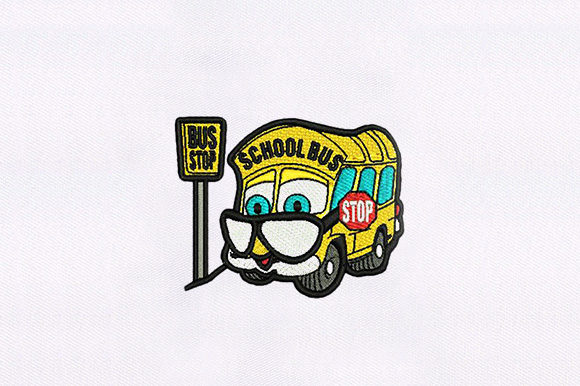
First impression? Old School Bus doesn’t shout — it grins. There’s a warm, nostalgic charm in its clean silhouette: rounded roofline, friendly window grid, and that unmistakable yellow body with bold black trim. It’s not hyper-detailed or cartoonish; it’s balanced — simple enough to read at 3 inches, expressive enough to hold character at 6. As a machine embroidery design, it leans into confident outlines and well-considered negative space rather than fussy interior lines. That tells me it was digitized for clarity, not clutter — a good sign for real-world stitching.
Where It Lives Best: Real Projects, Not Just Mockups
Last week, I prepped a batch of organic cotton tote bags for a local preschool fundraiser. I tested Old School Bus on one as a center-chest embroidery — no applique, just clean fill and satin stitch. It landed perfectly: legible from across the room, soft under the hand, and instantly recognizable as “school bus,” not “abstract yellow shape.” That’s the sweet spot. It shines on medium-weight fabrics where stitch definition stays crisp: canvas totes, midweight sweatshirts, twill aprons, linen tea towels, and cotton-blend baby blankets. On a navy crewneck sweatshirt? Yes — especially with high-contrast thread (think white or kelly green). On a pale yellow gauzy onesie? I’d hesitate — too little contrast, too much fabric movement.
What Customers Actually Notice (and Remember)
When you embroider Old School Bus onto a finished product, people don’t see “Transportation” — they see *story*. A parent buying a personalized baby towel with this design isn’t buying decor; they’re buying a quiet nod to first-day-of-school nerves and pride. An Etsy seller offering custom nursery pillows with Old School Bus taps into gentle, timeless recognition — not trend-chasing. That kind of resonance builds trust. It says, “This wasn’t auto-generated. Someone thought about how this will look, feel, and live in someone’s home.” That perception lifts perceived value — whether you’re pricing a $28 embroidered tea towel or a $75 boutique pillow cover.
Where to Pause — Not Panic, Just Plan
Old School Bus is forgiving, but not magic. On stretchy knits (like lightweight t-shirts), use cutaway stabilizer — not tear-away — and consider reducing density slightly if your test run shows puckering. On curved surfaces like caps, position it low on the front panel and avoid placing it near the seam crown; the bus’s horizontal width handles curvature better than tall vertical motifs. Tiny lettering? There isn’t any — which is smart. The design avoids small text entirely, so no worries about legibility loss on 4-inch hoops or dense stitching in tight corners.
Dark fabric demands attention: test your chosen thread colors on scrap first. A gold satin stitch on charcoal twill reads rich and intentional; the same gold on black fleece can disappear. And while Old School Bus holds up beautifully after repeated washing on stable fabrics, skip it for ultra-thin silk or loosely woven burlap — the fill stitch needs something with body to support it.
Design Notes Every Embroiderer Should Run Through
- Always stitch a test — even if you’ve used this embroidery file before. Fabric lot variations, thread batches, and machine tension shifts change outcomes.
- Check stitch density in your editing software. If it’s over 12,000 stitches, confirm your machine handles it smoothly on your target fabric — especially for commercial embroidery runs.
- Confirm hoop size. This design scales well, but know your smallest viable hoop before resizing down for baby bibs or cap fronts.
- Inspect small details: the wheel wells, headlight shapes, and window separation lines. They’re clean — but zoom in. Are they sharp or softened? That tells you how it’ll behave on textured fabric like terry cloth or bouclé.
- Mock it in black and white — not just color. Does the shape still read clearly? That’s your signal for contrast confidence.
- Use proper stabilizer: medium-weight cutaway for knits, tear-away for stable wovens, and fusible + tear-away for lightweight linens.
- Licensing check: Since this is a digital embroidery file, verify usage rights before selling finished products or bundling it into design assets for resale. Commercial embroidery permissions aren’t always included by default.
More Than a Transportation Motif — It’s a Reliable Workhorse
I’ve seen dozens of bus designs come through my studio — some overly cute, some stiffly technical, some so dense they turn fabric into cardboard. Old School Bus stands out because it balances personality with practicality. It works equally well as a standalone embroidered patch (heat-seal or sew-on), a subtle corner motif on a kitchen towel, or the hero element on a holiday gift set for a teacher. For craft business owners, it’s versatile inventory: list it once as a digital embroidery file for DIYers, and again as a finished product (e.g., “Embroidered Bus Tote Bag”) without redesigning your branding. For Etsy sellers, it pairs naturally with school-themed printable mockups — the visual language is consistent, calm, and commercially safe.
Final Thought: It Earns Its Place
This isn’t a novelty design you use once and archive. Old School Bus earns repeat use because it solves real problems: readability at multiple sizes, adaptability across fabric types, emotional warmth without saccharine overload, and professional polish right out of the hoop. Whether you’re stitching for a client’s boutique launch, prepping craft fair inventory, or building a cohesive line of handmade nursery goods, it delivers quiet confidence — not just stitches.