Red White Cute: A Designer’s Real-World Embroidery Review
First Impression: Sweet, Simple, and Seasonally Sincere
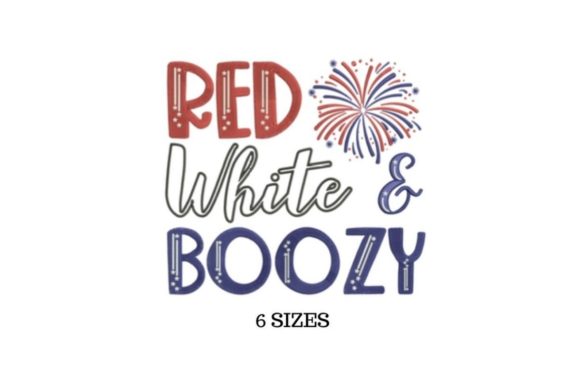
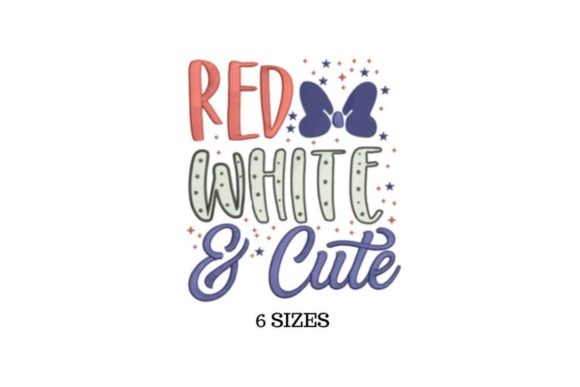
Opening Red White Cute for the first time, I felt that familiar quiet spark—the kind that says, “This isn’t just another holiday clipart knockoff.” It’s a compact, balanced composition: stars arranged with gentle asymmetry, soft curves in the lettering, and a subtle nod to vintage Americana without leaning into cliché. There’s no aggressive patriotism here—just warmth, charm, and quiet intention. As a designer who’s stitched hundreds of Independence Day pieces for baby onesies, boutique aprons, and Etsy gift bundles, I immediately pictured it on a lightweight cotton muslin swaddle blanket—tiny, tender, and full of meaning.
Where It Shines: Real Projects, Real Customers
Red White Cute thrives where sentiment meets simplicity. I recently tested it as a center chest embroidery on a heather-gray organic cotton sweatshirt for a local baby boutique—and it landed perfectly. The design scaled cleanly at 3.2”, held crisp edges on mid-weight fabric, and read clearly even from across the room. It works especially well for personalized gifts: a monogrammed initial tucked beside the star cluster, or paired with a tiny embroidered birth date below. For Etsy sellers, it’s a strong candidate for curated holiday collections—think “First 4th of July” bundles with matching tea towels, bibs, and pillow covers.
It also translates beautifully to embroidered patch format. When digitized with clean satin stitch borders and moderate fill stitch density, it holds up through laundering and light wear—ideal for nursery wall hangings or reversible baby caps. As a machine embroidery design, its open layout avoids heavy thread build-up, making it forgiving on standard home machines and reliable for small shop production runs.
Where to Pause: Fabric, Fit, and Functionality
This isn’t a one-size-fits-all motif. On highly textured fabrics—like terry cloth towels or bouclé knit blankets—some of the finer star points softened slightly, losing definition. On stretchy jersey (say, a toddler tee), I recommend using cutaway stabilizer *and* basting the hoop before stitching—otherwise, the outer curves can pucker. And while the lettering is legible at 2.5”, I wouldn’t go smaller than that in a finished custom apparel piece; the “Cute” script relies on smooth satin stitch flow, not micro-detail.
Dark fabric demands attention too. I ran a test on navy chambray with white thread—and loved the contrast—but switched to ecru on black for a softer look. Always check your thread colors against the base fabric in natural light. Also, avoid placing Red White Cute near seams, darts, or curved surfaces like cap bills unless you’ve confirmed your machine’s tension and hoop stability first. It’s not an applique design, so there’s no fabric layer to mask minor alignment shifts.
Design Integrity Meets Customer Trust
What makes Red White Cute feel trustworthy—not just decorative—is its restraint. In a market flooded with over-digitized fireworks and dense flag motifs, this design breathes. That matters for handmade product credibility. When customers see clean stitch paths, thoughtful spacing, and balanced density, they subconsciously register craftsmanship—not just convenience. I’ve watched buyers linger longer on listings featuring this design in mockups, especially when styled with neutral backdrops and natural lighting. It reads as intentional, not algorithmic.
For small shop product consistency, it pairs effortlessly with minimalist branding—think cream kraft tags, linen drawstring bags, or unbleached cotton labels. It doesn’t compete with your voice; it supports it. And because it avoids dated tropes (no bald eagles, no cartoon rockets), it stays relevant beyond a single season—making it smart design assets for recurring holiday collections.
Practical Designer Notes Before You Stitch
- Always test first. Run Red White Cute on scrap fabric that matches your final project’s weight, weave, and stretch—even if it’s just a 2” square.
- Stabilizer isn’t optional. Use medium-weight cutaway for knits, tear-away for stable wovens, and consider topping for napped fabrics like fleece.
- Review stitch density in your embroidery software—if fill areas look overly dense or sparse, adjust underlay or stitch angle before hooping.
- Confirm hoop size early. This design fits comfortably in a 4×4 hoop, but double-check your file’s actual dimensions—some versions may include extra breathing room for positioning.
- Inspect small details at 200% zoom: star points, letter terminals, and curve transitions should be smooth, not jagged or doubled.
- Test black-and-white mockups before finalizing listings—many buyers browse in grayscale mode or on low-battery devices.
- Check licensing before selling finished items or bundling the digital embroidery file—especially if you’re a craft business reselling digital assets.
Final Thought: A Quiet Standout for Meaningful Makes
Red White Cute won’t shout—but it will resonate. It’s the kind of embroidery project that earns a smile from grandparents, gets pinned by new moms, and sits gently on a shelf long after the fireworks fade. Whether you’re stitching for a client’s custom baby embroidery order, building a cohesive holiday embroidery line for your Etsy shop, or designing limited-run commercial embroidery for a local cafe’s staff aprons, this design delivers quiet confidence. It respects the craft, honors the occasion, and leaves room for the person wearing—or gifting—it to feel seen. That’s not easy to digitize. But when it’s done right? That’s exactly what makes Red White Cute worth keeping in your working library.