Teardrop Camper Embroidery Design
First Impression: Playful, Nostalgic, and Instantly Recognizable
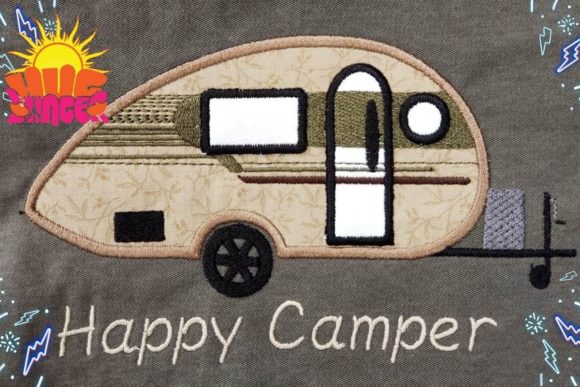
As an embroidery designer who’s prepped over 200 craft fair booths in the past decade, my first reaction to Teardrop Camper was immediate: it’s got that rare blend of whimsy and authenticity. It doesn’t try too hard to be rustic or minimalist—it just *feels* like camping joy distilled into a single silhouette. No overly detailed wheels, no fussy shading—just clean lines, gentle curves, and unmistakable teardrop shape. That makes it bold enough for booth banners but soft enough for baby bibs. It reads as friendly, approachable, and deeply handmade—not mass-produced. For Etsy sellers and boutique makers, that emotional resonance is gold.
Where Teardrop Camper Shines on Craft Fair Products
In real-world booth testing, Teardrop Camper performs strongest when scaled intentionally—not too tiny, not overwhelming. Here’s how it lands across top-selling handmade items:
- Tote bag design: Centered on a natural canvas tote (10–12” wide), it reads clearly from 6 feet away—ideal for drawing foot traffic. Works especially well with contrasting thread (e.g., mustard on navy).
- Apron embroidery: Placed above the pocket or centered on the bib, it adds charm without competing with stains or splatters. The shape flows naturally with apron drape.
- Tea towel embroidery: On flour-sack or linen towels, it holds up beautifully—even after repeated washing—thanks to its open layout and minimal fill areas.
- Embroidered patch: Clean edges and moderate detail make it ideal for iron-on or sew-on patches. Customers love stitching it onto denim jackets or backpacks.
- Pillow cover & market bag: Scales gracefully at 5–7” wide. Gives instant personality without looking busy or dated.
It’s less effective on curved surfaces like caps unless resized carefully—and avoid placing it near seams or gussets where distortion risks blurring the iconic silhouette.
What Makes Teardrop Camper a Smart Craft Fair Investment
This isn’t just another cute motif—it’s a strategic machine embroidery design with real sales logic. At a glance, customers understand it. No decoding required. That matters when someone walks past your booth in 3 seconds. It also photographs exceptionally well for printable mockups and Etsy listings: crisp edges, strong negative space, and natural contrast between shape and background.
For batch production? Highly repeatable. With consistent stabilizer and thread tension, you can run 30+ units in a day without re-hooping drama. Its moderate stitch density avoids excessive wear on home machines while still delivering rich texture on finished products. As a small shop product, it bridges demographics—young adventurers, nostalgic retirees, and cottagecore shoppers all pause for this one.
Careful-Use Notes Every Embroidery Designer Should Know
Don’t skip these practical checks before cutting fabric:
- Avoid dense fill in small versions: Below 3.5”, fine details (like window framing or subtle door lines) may blur—especially on textured towels or thick canvas.
- Test on dark fabric: Some versions of the digital embroidery file use light thread by default. Swap to high-contrast thread (white, lime, or coral) for visibility on charcoal or forest green.
- Stabilizer matters: Use medium-weight cutaway for stretchy knits (t-shirts, pouches) and tear-away for stable wovens (tea towels, pillow covers). Skip lightweight stabilizers—they won’t support the curve integrity.
- Hoop size awareness: Confirm the largest version fits your standard hoop before digitizing alternate sizes. A cramped hoop causes registration drift.
- Fabric texture test: Run a sample on terry cloth or looped cotton—those fibers can swallow fine outlines. Adjust underlay or reduce density if needed.
How Teardrop Camper Elevates Your Booth & Brand
At a crowded handmade market, Teardrop Camper becomes more than decoration—it’s a conversation starter, a visual anchor, and a consistency builder. When repeated across tote bags, tea towels, and embroidered patches, it quietly establishes your booth as curated and intentional. Customers begin to recognize your style—not just your logo, but your *vibe*. That builds trust faster than any sign or price tag.
It also lifts perceived value. A plain linen pillow cover gains warmth and story when topped with Teardrop Camper. A simple cotton apron transforms into a gift-worthy item. And because it’s rooted in the evergreen Camping category, it stays relevant year after year—no seasonal expiration date.
Final Designer Checklist Before You Produce
Before turning Teardrop Camper into your next wave of craft fair product or commercial embroidery line, do these five things:
- Run a full-size test on scrap fabric matching your intended product (e.g., unbleached canvas for totes, terry for towels).
- Compare at least three thread colors against your base fabric—light, mid, and dark—to see which delivers best clarity and mood.
- Review spacing between elements: ensure windows, doors, or wheels don’t crowd each other at smaller sizes.
- Verify your embroidery file includes formats compatible with your machine (PES, DST, JEF, etc.)—and confirm commercial licensing terms if selling finished goods.
- Create one real, photographed mockup—not digital only. Lighting, fabric drape, and thread sheen change everything.
When done right, Teardrop Camper isn’t just another handmade product. It’s a memorable moment stitched in thread—a tiny, joyful invitation to adventure, made tangible. And in a world of scrolling feeds and crowded markets, that kind of quiet magic sells itself.